
Intro
Before anyone opens a book, presses play on a movie, or watches content on a social platform, they encounter the title and the thumbnail. This is not an accident. Book covers, movie posters, and cover images are not simply decorations for products; they are the most critical part of the user experience. They decide whether anything that follows will be seen at all.
Titles and thumbnails can best be understood in this context as a doorway or portal. If no one reads your book, does it matter how good it is? If no one watches your movie, can it inspire the audience? If you have a great product, but no one uses it, is it great? If a tree falls in the woods and no one sees it… I think you get the point. In this sense, titles and thumbnails are the pathway to existence. They are the pathway to reverence.
Over the past several decades, these doorways have transitioned from static promotional materials to a key design tool in the attention economy, mediating not only how audiences interact with your product, but whether they encounter it at all. This essay will examine title and thumbnails across different media industries (books, streaming, social media, and video games) to explain how our current media environment has reached a point where the surface-level matters just as much as the content beneath it.
Paratexts
In order to discuss how titles and thumbnails truly function, we need to look at media studies. Gérard Genette, a French literary critic, coined the term paratext. In literature, a paratext is defined as the surrounding material of a book that shapes how readers understand and engage with the work. More importantly, Genette breaks down this relationship into two categories.
Epitext: This includes paratexts that are not directly attached to the body of work. For example, this could be advertisements or critical articles. An epitext is a paratext, but the distinction is that it is disconnected.
Paritext: This includes paratexts that are attached to the body of work. For example, titles, author’s notes, cover art, etc. These elements exist as a direct element of the product.
Investigating how paratexts are being used across different media industries reveals one primary insight. Paratexts are not merely for design and marketing; they are a central tool to help us translate complex products into something immediately comprehensible. Literary critic Cornelia Klecker writes this about Genette’s research: “The most important conclusion is that the paratext changes the text itself because it establishes a relationship between the sender, i.e. the author, editor, or publisher, and the receiver, i.e. the reading public.”
This relationship almost always begins as a visual one, so in order to move forward, we must understand what visual communication is. The History of Visual Communication claims it is “no overstatement when we say that writing is the essence of visual communication and by extension of visual communication design.” In the context of paratexts, the goal of visual communication is to translate a product into comprehensible language.
Another crucial definition to understand is design. What is design? Richard Buday writes, “Design, by definition, contemplates what does not exist.” Meaning, to design a proper paratext, we have to translate what does not exist into comprehensible language. That sounds like a much higher mountain to climb than “design me a title and thumbnail.” At the highest level, designers should aim to use multisensory design to trigger the desired effect while communicating language that properly encapsulates the product.
Books
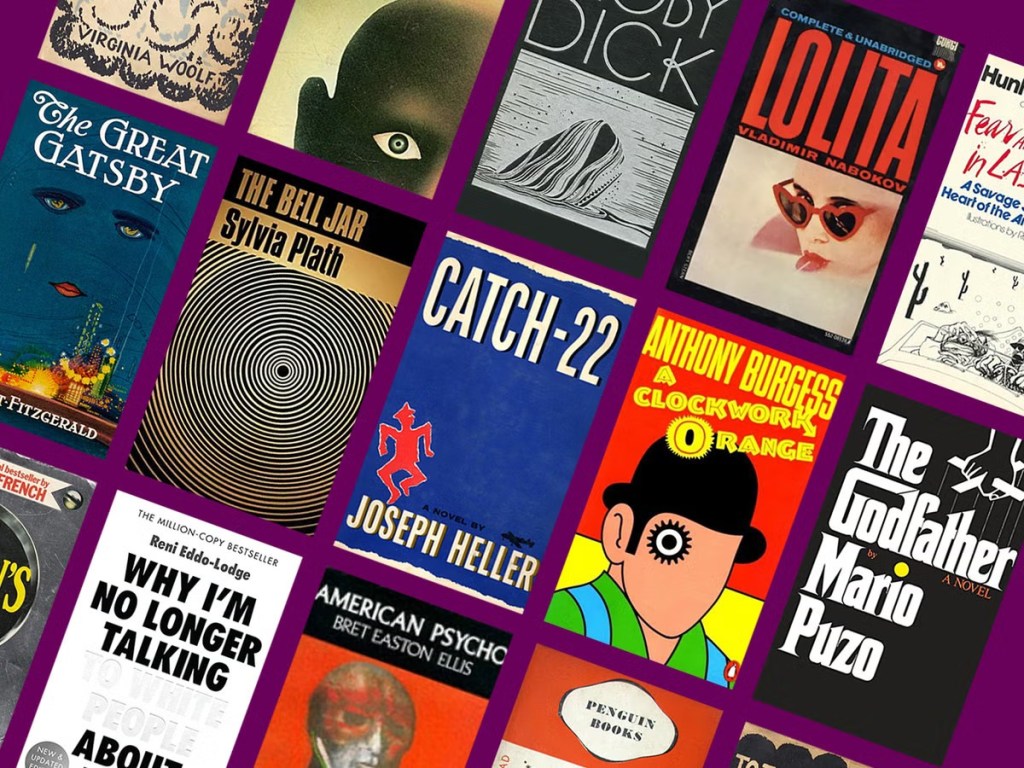
Don’t judge a book by its cover. It’s a sentiment that makes a lot of sense. How could you possibly know what the contents of a book are without reading it? While true, this question is greatly misleading because it assumes the cover is not a part of the book itself. Based on what we know about paratexts, this is not true.
In 2024 creative director of Forbes Books, David Taylor, wrote, “While many advise against judging a book by its cover, the book cover design is the gateway to its universe.” The cover is not disconnected from the text; it is an integral part of it. Taylor continues, “An effective cover design bridges the gap between the content of the book and its potential audience.” In other words, the cover is where a book’s ideas are compressed into a singular point of contact. Let’s take a look at two key tools in cover design: Typography and Gestalt Principles.
Design expert Grace Fussel writes this about typography: “Because human beings respond to visual culture in an emotional way, designers can manipulate the psychological responses of their viewers by making informed choices about the features of a design, such as colors and fonts.” But it goes far beyond that in the context of the actual body of work. The cover directly impacts how you understand the text that the cover contains. Taylor writes, “The font, style, and placement of text contribute to the overall visual narrative, and all influence the voice, tone, and visual appearance of the book.” Not only will design choices impact the overall marketing/sales of the book, but also how readers understand and perceive the author’s voice and tone.
Book covers are essentially small exercises in perceptual psychology. Gestalt principles are another element of design that has a significant impact on the paratext as a whole. Examples of these principles are proximity, similarity, figure–ground, and closure. Using these principles to inform design choices ultimately determines what the viewer notices first, what feels important, and how quickly the viewer can come to an understanding about the book.
While design choices are not limited to these two categories, the relationship between Gestalt structure and type choices is key in what enables a book cover to instantaneously communicate, “this is a thriller,” “this is a memoir,” or “this is a productivity handbook” before a single page is turned.
As we progress through paratexts in different media industries, it will become clear that paratexts have an increased importance in digital spaces. This is true for books as well. Taylor writes, “In the digital realm, there are fewer seconds to capture a buyer’s attention. This elevates the need for captivating thumbnail imagery, arguably making it the most important version of the cover.”
Movies

Cornelia Klecker’s 2015 study of paratexts in film makes a key reference to “framing”, a concept defined by Gale L. MacLachlan and Ian Reid in their research Framing and Interpretation. Not only is their definition crucial to understanding paratexts in film, but also the broader media industry.
[Frames are] “basic orientational aids that help us to navigate through our experiential universe, inform our cognitive activities and generally function as preconditions of interpretation. As such, frames also control the framed . . . frames are keys to abstract knowledge, to communication and pragmatic situations, but also to what is most interesting in the present context, namely to the understanding of literature and other media.”
-Gale L. MacLachlan and Ian Reid (2006)
Framing is a foundational pillar of what a paratext ultimately is. Which begs the question, what framing strategies help trigger the desired viewer response?
The truth is, research in this space is too limited to fully understand, and to make matters worse, the movie industry is in a transitional stage that is completely altering the function of paratexts within the industry. In 2025, we are far along in a transition from the consumption of films in movie theaters to streaming movies at home. There’s one key difference in the crossover to the digital age between movies and books. Book covers are paritexts, whereas the traditional movie poster meets Genette’s definition of an epitexts. A movie poster impacts how viewers will understand the body of work, but it is not physically connected to the content. For example, you could watch a movie without ever seeing the movie poster, but you can’t read a book without coming in contact with the cover.
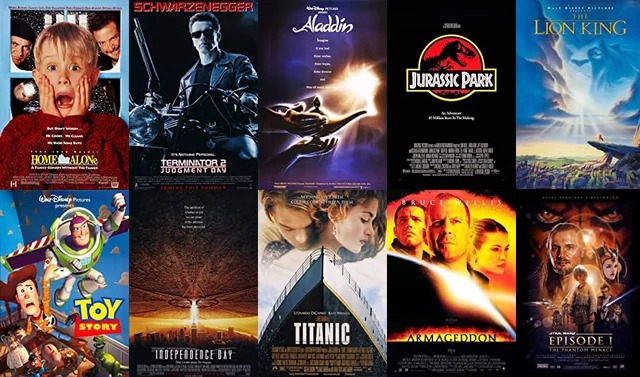
The transition of movies from physical to digital media inadvertently transitioned the function of paratexts in movies. On streaming platforms, to watch a movie, you must interact with a title and thumbnail before you access the content. This foundational change makes the digital age movie poster transition from an epitext to a paritext. It is an interactive piece of the product that is directly a part of it.
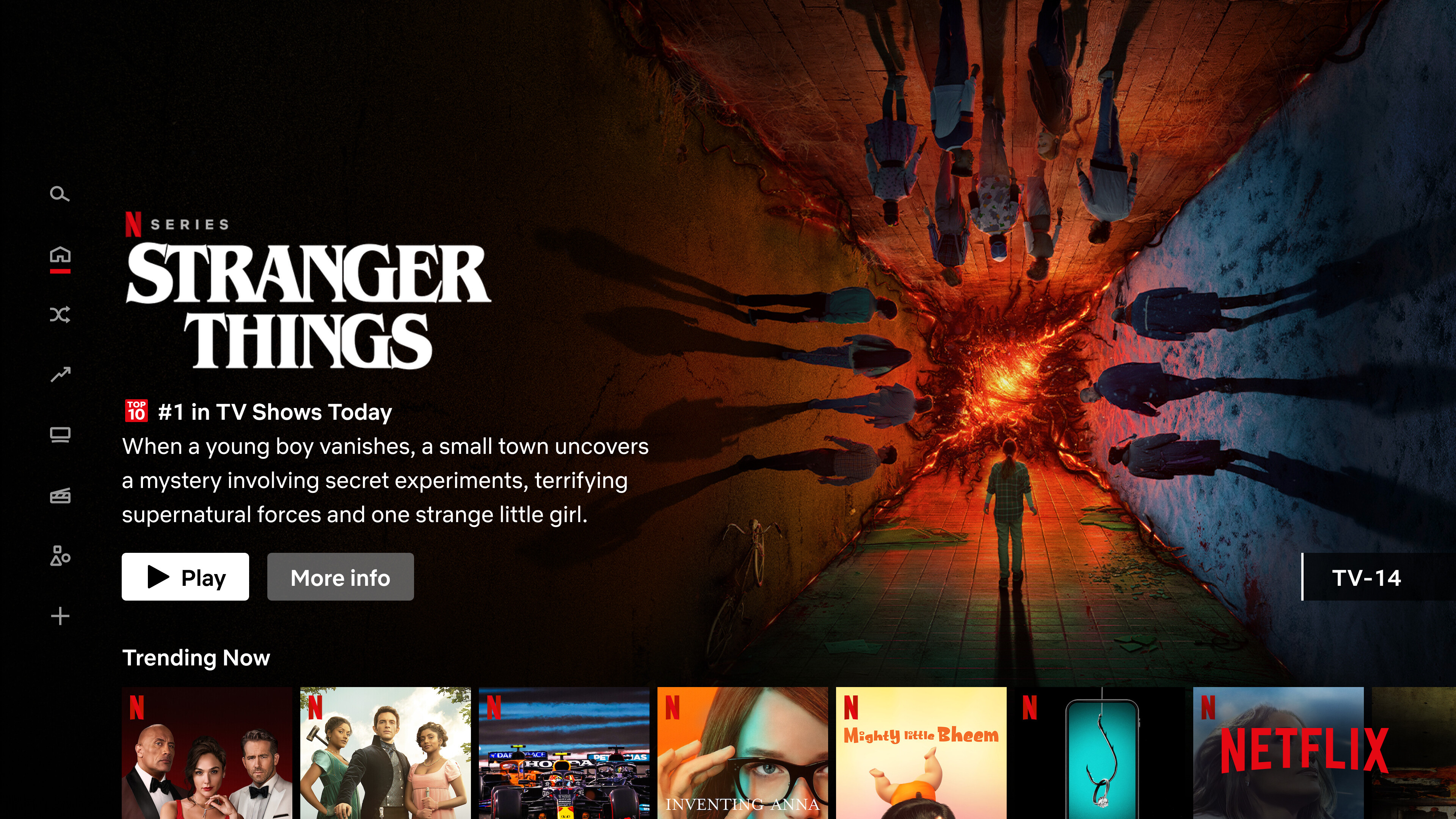

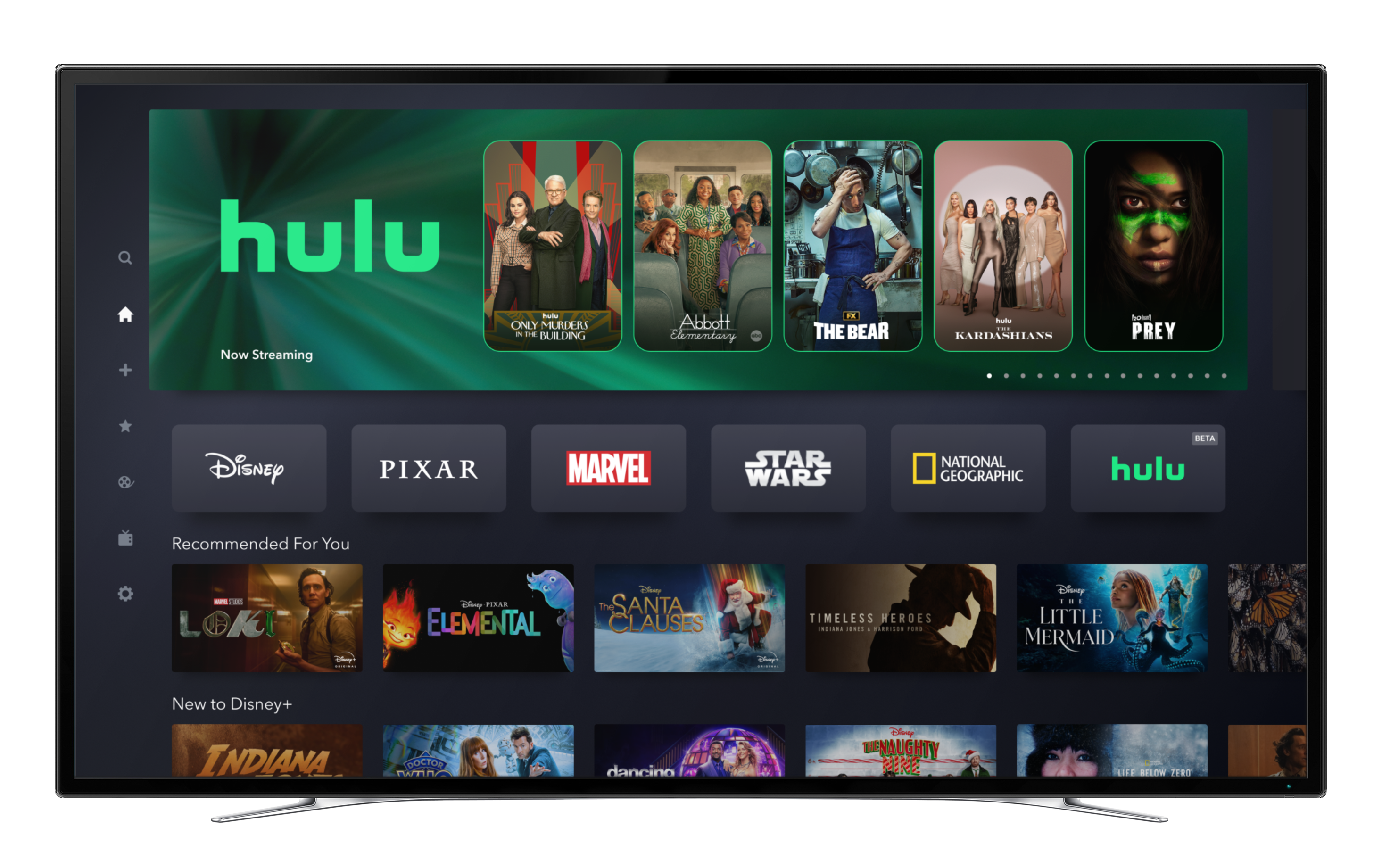
The shift from physical to digital media also made data collection on how viewers actually interact with paratexts highly lucrative. Netflix, for example, personalizes paratexts to cater to each user’s desires. In 2022, Oliver Eklund wrote about Netflix’s thumbnail strategy. Eklund writes, “Netflix employs a range of thumbnails for each title, which they target to members,
and use to convey different ideas about the title. In the process, Netflix also conveys an idea of itself to viewers, often a mirrored image of what users have already expressed an interest in.” Not only is Netflix engaged in attempting to master paratexts, but their strategy indicates that they are only serving previously expressed interest. This reveals a dark nature of how paratexts could be used to impact the larger media industry. Content on these platforms becomes boxed in to only be variations on what has previously been produced. Eklund marks this as a societal change as well: “The findings on thumbnail personalisation reflect a markedly different environment from the mass-produced paratextual appeals of DVD and Blu-ray covers, illustrative of the social implications of the shift from mass to automated culture.” It is scary to imagine what a world with a fully automated culture controlled by corporations would look like. Nevertheless, that is the direction we are barreling towards.
Video Games
Video games experienced a similar transition of paratexts as movies did. In 2025, nearly every video game being played is downloaded content. But it wasn’t always like this. For the first two decades that video games were around, a physical disk or cartridge was required to play a game. It would come in a case, much like a DVD with carefully designed packaging.

Paratexts in video games came to be known as incredibly powerful. These paratexts were not always used responsibly. A 2012 study on video game box art found that “there is an economic motive for the marginalization and sexualization of women in video game box art, and that there is greater audience exposure to these stereotypical depictions than to alternative depictions because of their positive relationship to sales.” Tomb Raider is one of the best-known video game franchises that launched into a multimedia franchise with movies, comics, animated series, and merchandise. The game’s rise to prominence is largely attributed to the sexualization of a female protagonist as the main character, eventually rebranding in 2013 to a more relatable and human character. Although unethical, this ultimately displays how powerful an epitext can be. Without the epitext first capturing the imagination of an audience, would this game have ever become a franchise?

This is the evolution of Lara Croft’s character design, the main character in Tomb Raider.
As stated, video games and movies are currently seeing a similar transition from epitexts and paritext. This could not be more apparent than by looking at how the two largest crossplay gaming platforms, Fortnite and Roblox, are using paratexts.
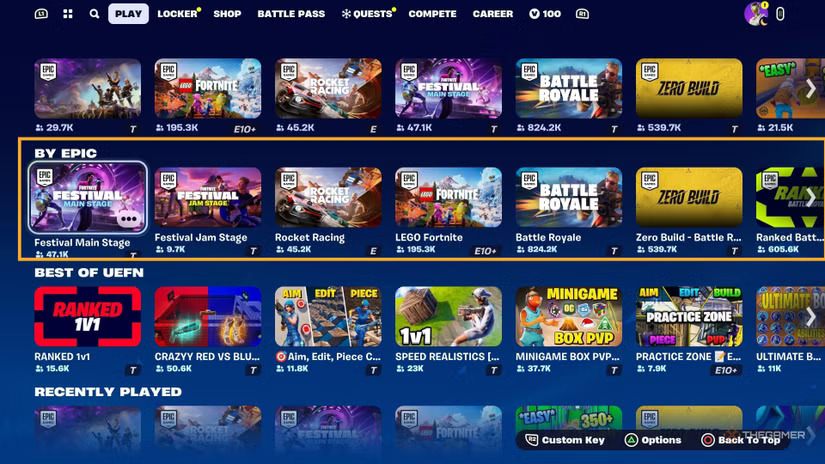
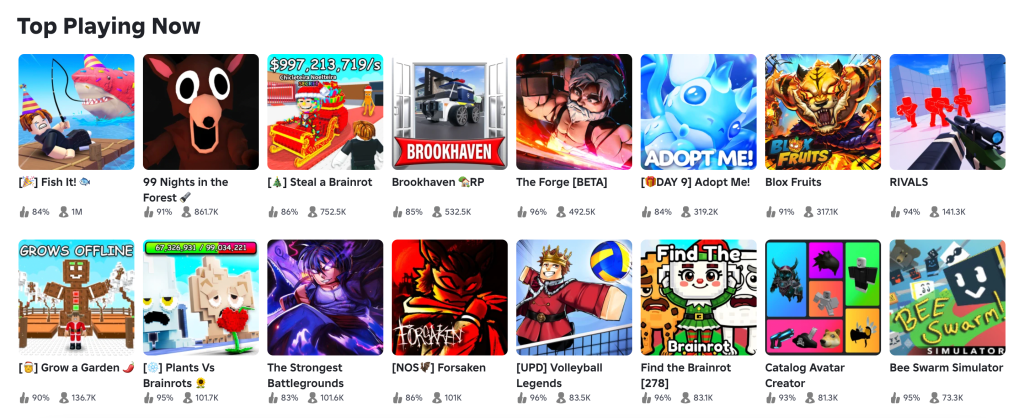
The difference between how users navigate platforms like Netflix and Disney+ is strikingly similar to the way video game platforms are developing. Like Eklund’s concern with the streaming industry, this should serve as a caution that automated culture is on the rise.
Social Media
Eklund’s criticism of thumbnail personalization takes a positive turn if you consider that personalization in conjunction with user-generated content. Jennifer Lane defines user-generated content as “any type of content that is created and shared by users, rather than by brands or companies.” Paratexts being created directly by users and not corporations drastically broaden what topics are deemed valuable. This is because users are not bound to the same constraints as corporations. This is not to say that social media platforms aren’t subject to creating an automated culture just like the streaming industry, but there is a creative freedom that is simply not possible elsewhere.
The importance of the paratexts on social media platforms is perhaps the greatest of the media we’ve examined thus far. Books and movies are clearly defined pieces of media. But YouTube, for example, is much broader than that. Imagine if you walked into a bookstore, and instead of books, the shelves were filled with anything that has text on it. We can call it a Wordstore. This is what YouTube is like, but instead of words, it’s video.
YouTube has 2.7 billion (2024) monthly active users with 500 hours of content uploaded every minute. With that massive user base and high volume of uploads, it creates a highly competitive environment. This indicates how important it is to focus on the title and thumbnail during the production process. Much like books, the portal to your content is the most essential part of it, because if no one clicks, no one watches. YouTube experts Colin and Samir claim creators “have to live 75% towards distributor” when considering the balance between artistry and distribution as a creator. In other words, the title and thumbnail of the video are just as important as the art that it contains
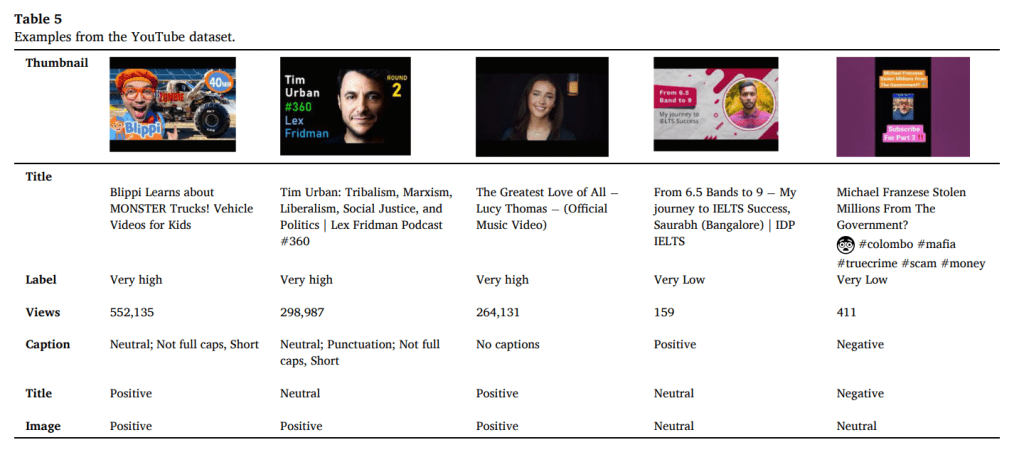
The image above is from a 2024 study, “Clicks for money: Predicting video views through a sentiment analysis of titles and thumbnails”, where researchers examined 16,000+ thumbnails. The study “reveals that strong sentiments in thumbnails, whether positive or negative, lead to more views” and that “Video titles with positive rather than negative sentiments generate more views. Sentiment markers such as punctuation, all capitals, and emoticons all contribute to more clicks.” Though simple, these findings illustrate that triggering emotions at the right time and place leads to more engagement. But this is nowhere near a perfect system; understanding what works does not guarantee success. Ultimately, the audience will always decide what works best through what they choose to click.
To combat the unpredictability of paratexts, YouTube added a feature called A/B testing. This allows creators to publish two different thumbnails for one piece of content. YouTube then tests the thumbnails within your audience, and after 60 minutes, the thumbnail that leads to the highest retention rate for viewers will be set as the official thumbnail. The mere existence of A/B testing is proof that the psychology of decision-making is still too complex for us to understand. Certainly, we can create thumbnails that ‘work’ or perform to the level we want, but can you determine a superior design? No.
Even though paratexts on social media platforms have a high degree of unpredictability, there are still best practices to follow, and specialists who make a full-time living off of thumbnail design. For example, Thumbnail expert David Ch, created the table below as a set of simple guidelines to follow.
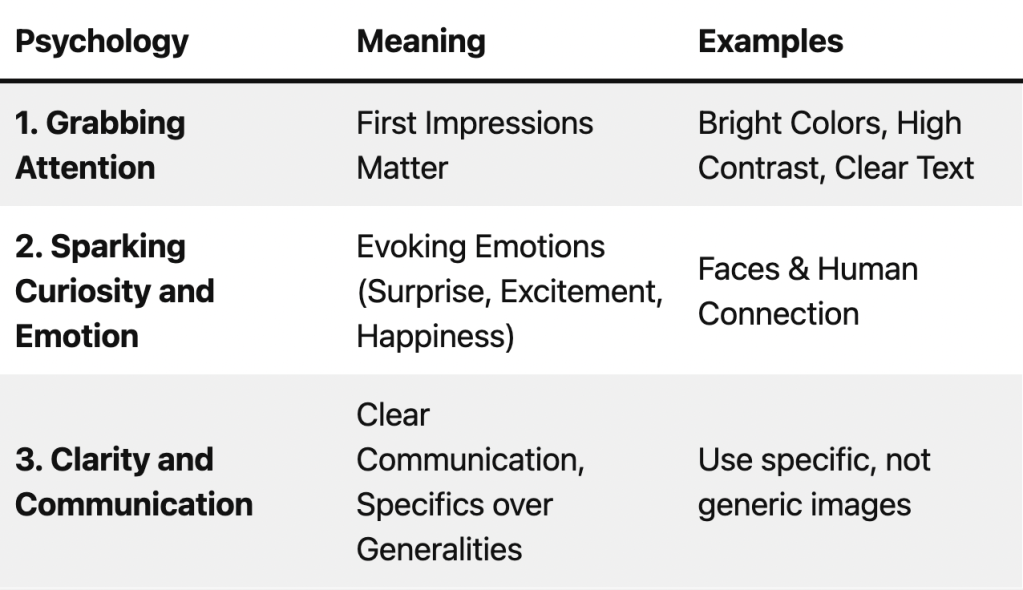
If you can follow these three steps while delivering what the paratext promises will be in the video, YouTube’s algorithm will have a higher level of success finding the right audience for your video. This is what makes paritexts so unique: on social platforms, the title and thumbnail don’t just advertise the work, they negotiate the viewer’s decision in real time. An emotional cue, a promise, and a framing device all at once. When the negotiation is clear, viewers click and stay. When it’s misleading, the portal shuts just as quickly as it opens.
Conclusion
Across books, films, video games, and social platforms, titles and thumbnails function less like decoration and more like thresholds. Genette’s idea of paratext helps explain why. These surface-level elements don’t sit outside the work; they are a living part of it. Ultimately, the doorway metaphor holds true. In the attention economy, the surface is not separate from the content beneath it. It’s the condition for the content’s existence and a pathway to (hopefully new) discovery.
Works Cited
Ch, D. (2025, January 6). Psychology of YouTube thumbnails: Explained (2025). ThumbnailTest. https://thumbnailtest.com/guides/psychology-of-youtube-thumbnails/
Cui, G., Chung, S. Y.-H., Peng, L., & Wang, Q. (2024). Clicks for money: Predicting video views through a sentiment analysis of titles and thumbnails. Journal of Business Research, 183, 114849. https://doi.org/10.1016/j.jbusres.2024.114849
Eklund, O. (2022). Custom thumbnails: The changing face of personalisation strategies on Netflix. Convergence: The International Journal of Research into New Media Technologies, 28(3), 737–760. https://doi.org/10.1177/13548565211064520
Gale L. MacLachlan and Ian Reid, Framing and Interpretation (Carlton: Melbourne University Press, 1994); Werner Wolf, “Introduction: Frames, Framings and Framing Borders in Literature and Other Media,” in Framing Borders in Literature and Other Media, ed. Werner Wolf and Walter Bernhart (Amsterdam: Rodopi, 2006), 1–40, p. 5.
Genette, G. (1997). Paratexts: Thresholds of interpretation (J. E. Lewin, Trans.). Cambridge University Press. https://www.erudit.org/en/journals/ron/1999-n13-ron425/005838ar
Lane, J. (2025, May 27). What is user-generated content and why does it matter? Backstage. https://www.backstage.com/magazine/article/what-is-user-generated-content-76042/
Klecker, C. (2015). The other kind of film frames: A research report on paratexts in film. Word & Image, 31(4), 402–413. https://doi.org/10.1080/02666286.2015.1053035
Near, C. E. (2013). Selling gender: Associations of box art representation of female characters with sales for teen- and mature-rated video games. Sex Roles, 68(3–4), 252–269. https://doi.org/10.1007/s11199-012-0231-6
Measure Studio. (2024). YouTube statistics: The ultimate guide for creators and brands. Measure Studio. https://www.measure.studio/post/youtube-statistics
SocialRails. (2024). How many videos are uploaded to YouTube daily? (Statistics). SocialRails. https://socialrails.com/blog/how-many-videos-uploaded-daily-statistics
Taylor, D. (2024, March 1). The art and science of book cover design in book publishing. Forbes Books. https://books.forbes.com/blog/book-cover-design
Module 1
Ayiter, E. (2015). The history of visual communication. History of Visual Communication. https://www.historyofvisualcommunication.com
Module 2
Buday, R. (2020, April 16). The reality of design fiction: How storytelling can save the world. Common Edge. https://commonedge.org/the-reality-of-design-fiction-how-storytelling-can-save-the-world commonedge.org
Module 3
Cao, J. (2015, April 7). Web design color theory: How to create the right emotions with color in web design. The Next Web. https://thenextweb.com/news/how-to-create-the-right-emotions-with-color-in-web-design
Module 3
Pine, B. J., II, & Gilmore, J. H. (1998, July–August). Welcome to the experience economy. Harvard Business Review. https://hbr.org/1998/07/welcome-to-the-experience-economy
Module 4
Busche, L. (2019, May 15). Simplicity, symmetry and more: Gestalt theory and the design principles it gave birth to. Canva. https://www.canva.com/learn/gestalt-theory
Module 4
Fussell, G. (2025, October 8). The psychology of fonts: How to choose fonts that evoke emotion. Envato Elements. https://elements.envato.com/learn/the-psychology-of-fonts-fonts-that-evoke-emotion
Module 4
Astriata. (2024, October 17). How multi-sensory web design can improve the user experience. Astriata. https://astriata.com/how-multi-sensory-web-design-improves-user-experience
Image Sources
Figure 1.1
Figure 1.2
Figure 1.3
https://www.reddit.com/r/90s/comments/gx2kn0/the_top_box_office_film_from_each_year_and_the/
Figure 1.4
https://www.netflix.com/tudum/articles/netflix-new-homepage-layout-user-guide
Figure 1.5
https://wallpapers.com/picture/movie-pictures-gpui8crwapvn1v96.html
Figure 1.6
https://www.mediaplaynews.com/hbo-max-enhances-home-page-with-dynamic-video-previews/
Figure 1.7
https://www.imdb.com/title/tt0190838/
Figure 1.8
Figure 1.9
https://www.thegamer.com/fortnite-every-all-official-modes-explained/
Figure 1.10
https://www.roblox.com/charts/top-playing-now
Figure 1.11
https://doi.org/10.1016/j.jbusres.2024.114849
Figure 1.12
https://thumbnailtest.com/guides/psychology-of-youtube-thumbnails/
 Getting to Know Stolen Focus