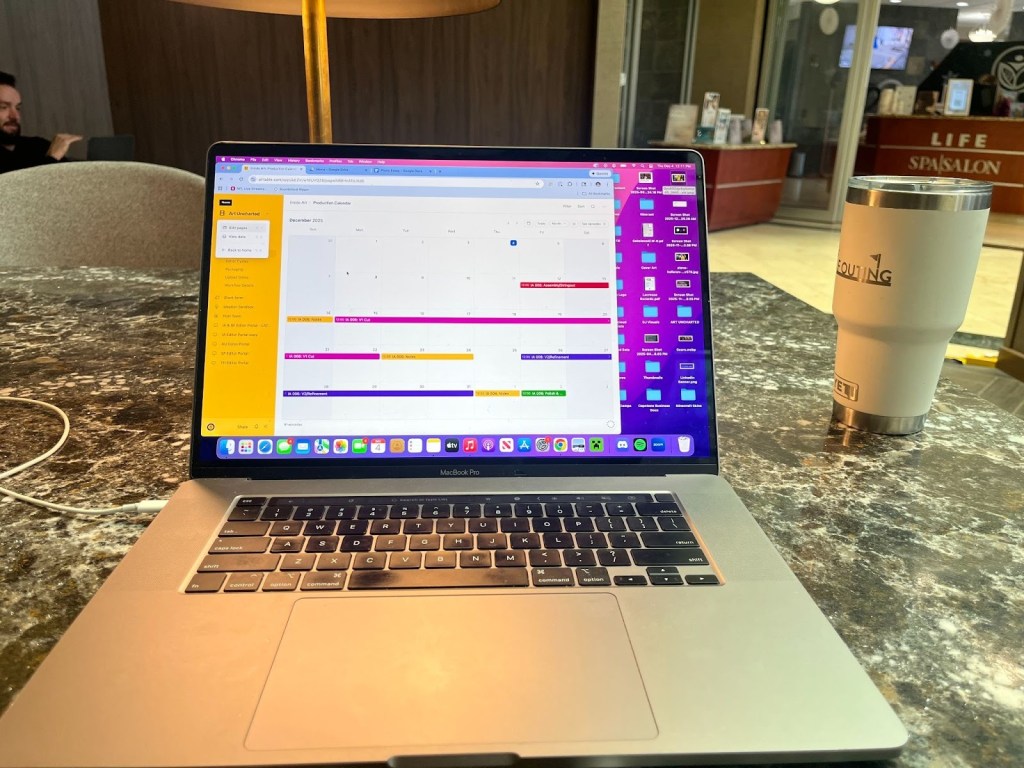
Welp. This is basically 80% of my existence in this photo. I know it’s only a laptop, sad, right? I don’t have a unique reality. Most of my generation spends the majority of their days looking at a screen. It seems like each year that goes by, we spend more and more time existing in digital spaces. In 2024, I had to learn the hard way that my relationship with technology was greatly limiting me…
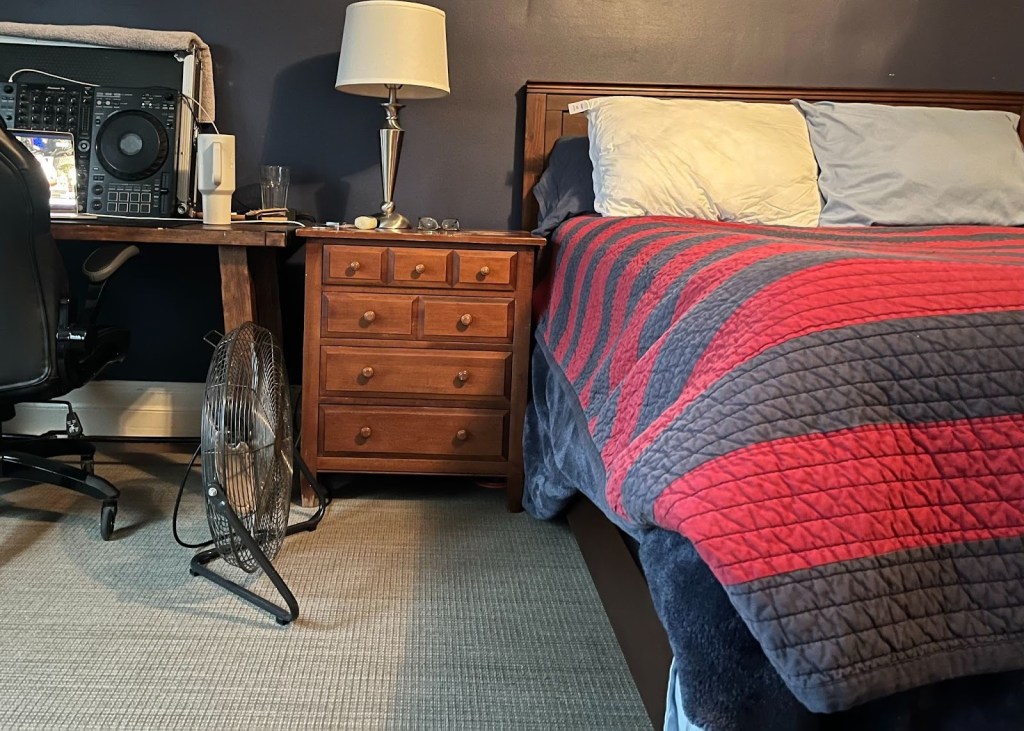
What I didn’t realize then is that my bed and my computer are only separated by the 3ft of the nightstand. The effect this had on me is that my human experience and digital requirements got completely blurred. What was meaningful to me felt completely lost. Our society used to, and many people still do, commute hours to work. I just roll over.
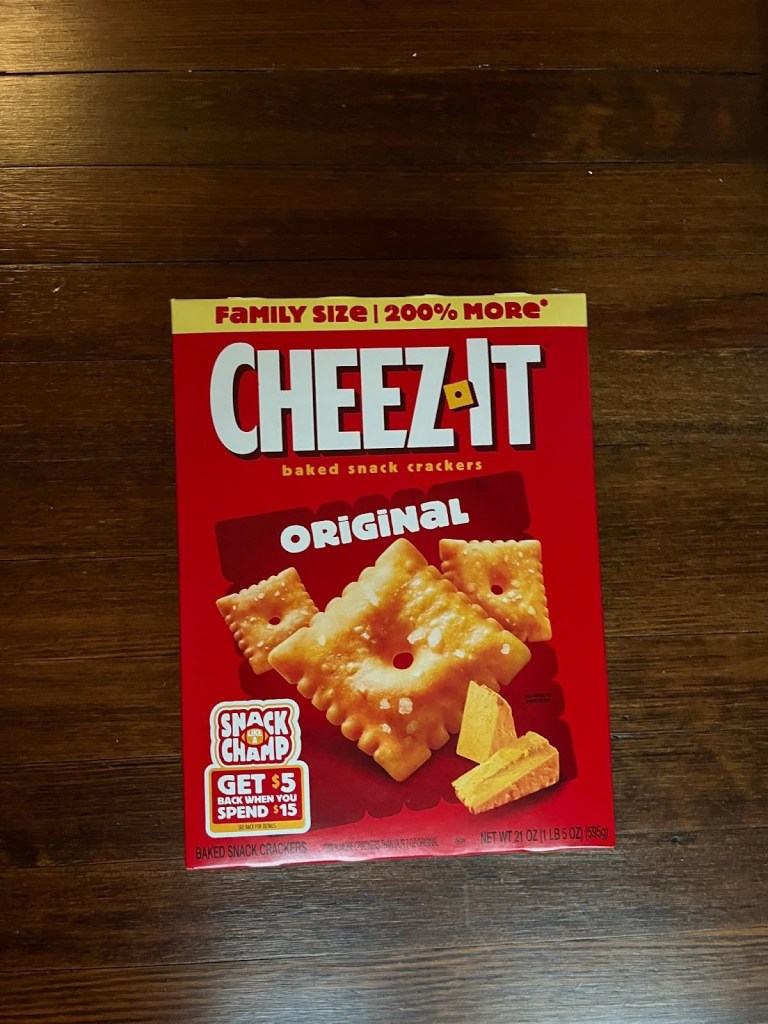
Now, what do cheese-its have to do with this? I love them. But here’s why they’re relevant to this story: when I find myself around great food, I consistently think about earlier times in history where access to incredible foods like this was rare. In America in 2025, whether you are wealthy or poor, we are inundated with abundance. What could be considered a delicacy in another era can now arrive at our front door.

With work feet away from bed and access to food no further away than my front door, sometimes it’s easy to forget there’s a whole world outside. Even leaving the house each day, it was easy to forget there is a whole world outside.
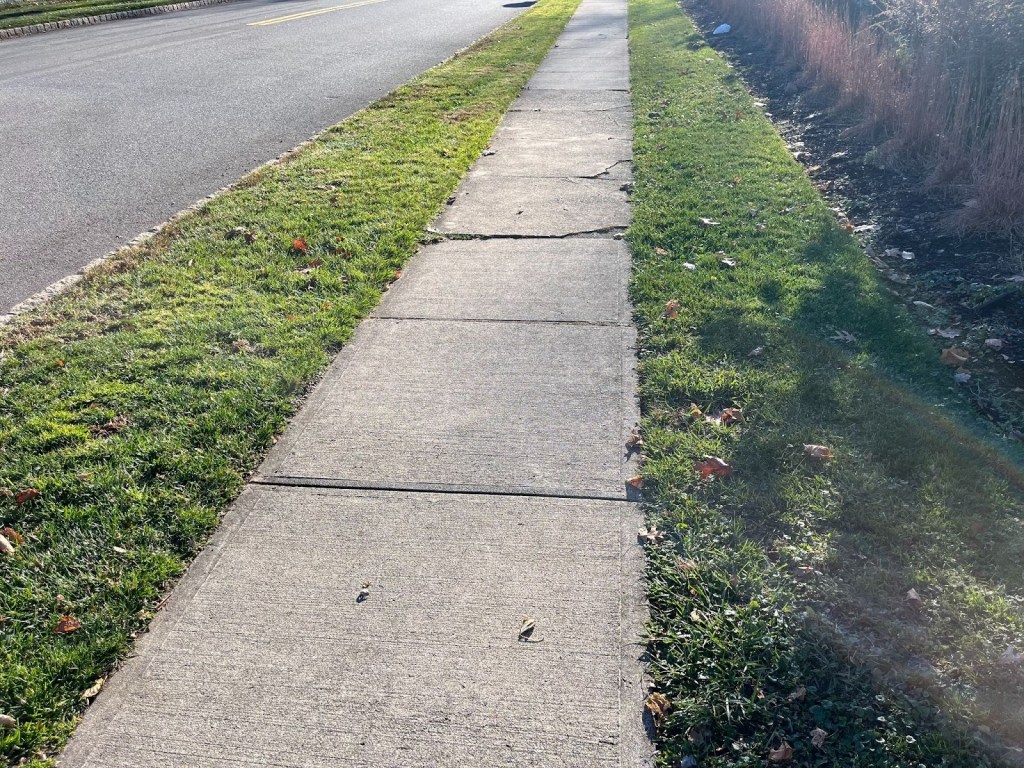
It feels comical for me to even write this, but sidewalks changed my life. It wasn’t until I began walking every day that I was able to get reintouch with the world outside of my window. Being able to separate myself from work and human necessities helps transition my awareness to a more global perspective. The same insignificant way I walk down the sidewalk is a reminder that everyone is moving through life on their own sidewalk. When I walk, I feel surrounded by all of the life I am entirely disconnected from at my desk.
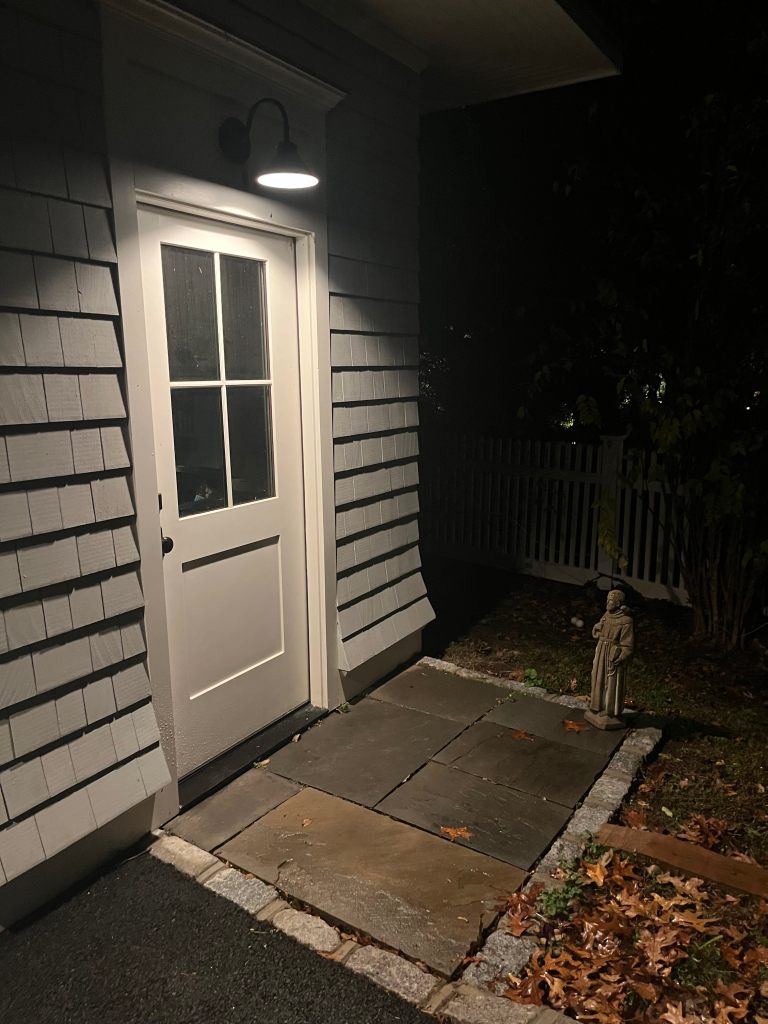
So what’s next? What happens if the sidewalk runs out? The excitement of what can be waiting behind the door of discovery is all the more reason to keep moving forward. Whether it’s on a sidewalk or at a desk, I won’t stop moving through life until my last breath. There were many years of my life when I lost the “sidewalk,” but finding it has unlocked a new level to my creativity and new excitement for life that I would not have otherwise.
Reflection:
My first goal in writing this story was to identify a through-line for the hundreds of images I took throughout the previous week. Ultimately, in this essay, I aimed to describe how my environment shapes my perspective on the world. In The History of Visual Communication, Elif Ayiter writes, “writing is the essence of visual communication.” Without text to accompany these images, they would have meaning, but they would be disconnected and insignificant to the average viewer.
Part of the reason I chose to write this story was the theme I was able to identify. At the heart of my photo essay narrative is meaning and purpose. Richard Buday, author of The Reality of Design Fiction: How Storytelling Can Save the World, writes, “A story, also called a narrative, is an account of things that have happened, are happening, or will happen.” In my essay, I aimed to use photos to describe how meaning and purpose were lost and found in the confines of my environment. This, to me, fits Buday’s description of a narrative.
I tried to select images that both told a story with their contents, but also with their color. Based on my topic, this was easy to do. According to the author of 8 Ways to Use Color Psychology, Céillie Clark-Keane, color “evokes an emotional response in your audience, whether they realize it or not.” One of the primary differences in my photos was indoor and outdoor environments. The indoor images were less colorful and bland, while the outdoor images were filled with bright colors.
There were also a lot of different depth cues on display. One particularly important to supporting the narrative was Relative Size Relationship. I used a photo with a nightstand to display the distance between my bed and desk. The bed is much closer to the camera, so it is much larger in the photo than the other important items.
In addition to depth cues, Gestalt Principles also assisted the effective communication of the narrative. Specifically, I used the photo from inside the window looking at the sky relies on simplicity. In the frame of the window, the world is bright and colorful, while the walls inside are dark. This directs the eye to focus solely on what’s outside, accompanying the sentiment from the written narrative.
I didn’t really expect the Experience Economy to become relevant with my photo essay, but the understanding I gained from the article helped explain one of my photo choices. I used a photo of cheese-its to describe how our economy has yet again shifted. I’m no economic expert, but there definitely is a large chunk of people who are sacrificing experience for convenience. For my narrative, I felt like Cheez-its represented that shift from experience to convenience.
Overall, I enjoyed the challenge of creating a story out of my day-to-day experiences through photographing my week. If I were to publish or continue to iterate this story, I would definitely use some different images. I am not a good photographer and I think there are better suited visuals for the story. However, I really appreciate that this narrative is 100% me.
 Getting to Know Stolen Focus