
Before there was doom-scrolling on the likes of Instagram and TikTok, there was another social media platform that would trap users for hours in a loop of consumption. YouTube! There’s one main difference between YouTube and the doom-scrolling apps that enabled YouTube to escape the negative connotations of doom-scrolling.
Instagram and TikTok are scroll-based platforms where content plays automatically, while YouTube is a platform that requires users to select content before they view it. Since the algorithm on YouTube isn’t directly feeding content to users, creators need to have a heightened focus on behavioral economics so they can understand when, why, and how their videos get clicked on.
So what do you focus on?
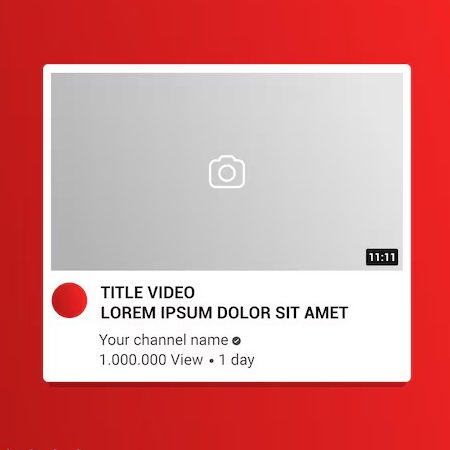
According to Colin and Samir, a content-creation duo that specializes in creating content for other creators, “YouTube is a click-and-watch platform.” This means that as a creator, the number one thing you need to be good at on YouTube is getting people to click. The medium for getting users to click is title and thumbnails (pictured above).
So the real question is, how do we get people to click?
In order to do this, we want to understand the behaviors of all potential viewers and the reasons they make any decision in the first place. Bridgeable, a service design consultancy, puts its focus on Behavioural Economics. They state, “Behavioural Economics (BE) is a field of study that seeks to understand how people make decisions by examining psychological, behavioural, emotional, and social factors.” Let’s not get confused by the bells and whistles of the internet; we are dealing with human decision-making, and that’s something we know a lot about. By applying behavioral economics, we can better design titles and thumbnails to invoke specific feelings and get users to click.
According to Bridgeable, “There is more to decision-making than simply providing accurate information and expecting people to act on it accordingly.” On YouTube, this means that having valuable/meaningful content is not enough. If you spend a great amount of time focussing on making a high quality video that does not automatically earn clicks and views.
Now here’s where things get highly competitive. YouTube users aren’t making a choice of do I or don’t I want to watch this specific video. They are making a choice between 8-12 different pieces of content on their screen and they only get to click one.
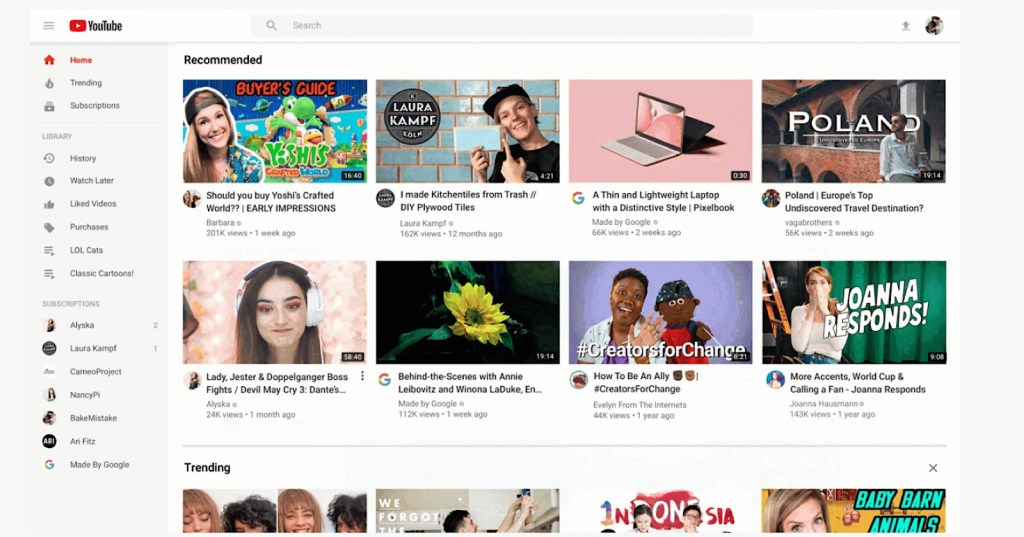
According to Akna Marquez, a design expert writing on sensory design, “Instead of limiting ourselves to a result that merely looks good and functions properly, we can introduce elements of power to communicate and seduce the user.” In the context of competing against other title/thumbnail combinations, stepping beyond mere function can create a competitive edge and help you reach more viewers.
Here in lies another challenge, how can you know your design will have the intended effect on users? The truth is you can’t. Bringing back BE (behavioral economics) to the equation, Bridgable claims, “BE says that people are irrational — meaning there is more to decision-making than simply providing accurate information and expecting people to act on it accordingly.” This is a major challenge for creators in the space. With each piece of new content that is published, there is no guarantee for success.
The development team at YouTube is well aware of this problem, so they came up with a genius tool to eliminate part of the guesswork for creators.
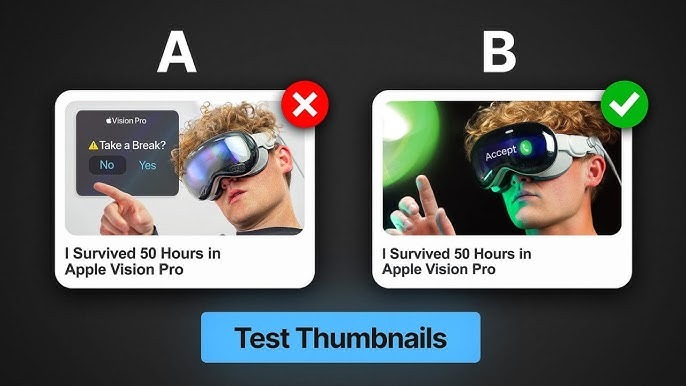
YouTube added a feature called A/B testing, which allows creators to publish two different thumbnails for one piece of content. YouTube then tests the thumbnails within your audience, and after 60 minutes, the thumbnail that leads to the highest retention rate for viewers will be set as the official thumbnail.
This is an awesome example of technology being used to help bridge the gap between the known and unknown when it comes to behavioral economics!
 Getting to Know Stolen Focus