In the same way that familiar writing styles have identifiable design properties like format and punctuation that make the information easier to comprehend, visual design does too. In fact, according to The History of Visual Communication, “Writing is the essence of visual communication and by extension of visual communication design.” The origins of visualization come from the written word, therefore the fundamentals of writing are the fundamentals of visualization. Visualization can create powerful experiences for the viewer that are not possible through the sole use of text. By taking a look at a range of paintings, photographs, and diagrams, the relationship between the written word and visualization becomes more clear.
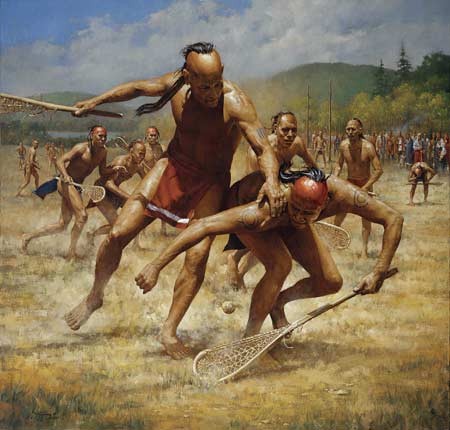
This is perhaps the most famous depiction of lacrosse we have to this day. Lacrosse, now played with a much different set of rules, was invented by Native Americans, and the first records of the sport come from the 1630s. This image depicts a battle between two players to pick up the ball. The ball blends into the environment because it is not a major focus of the painting. The focus is competition between two players. You can tell there are levels of passion and desire because of how low the player on the right it and because the player on the left is trying to hold him back. Behind them, you can see others competing with each other, a crowd, some players gasping for air, and a large wide field. This tell us that the game is strenuous and also important to the community.
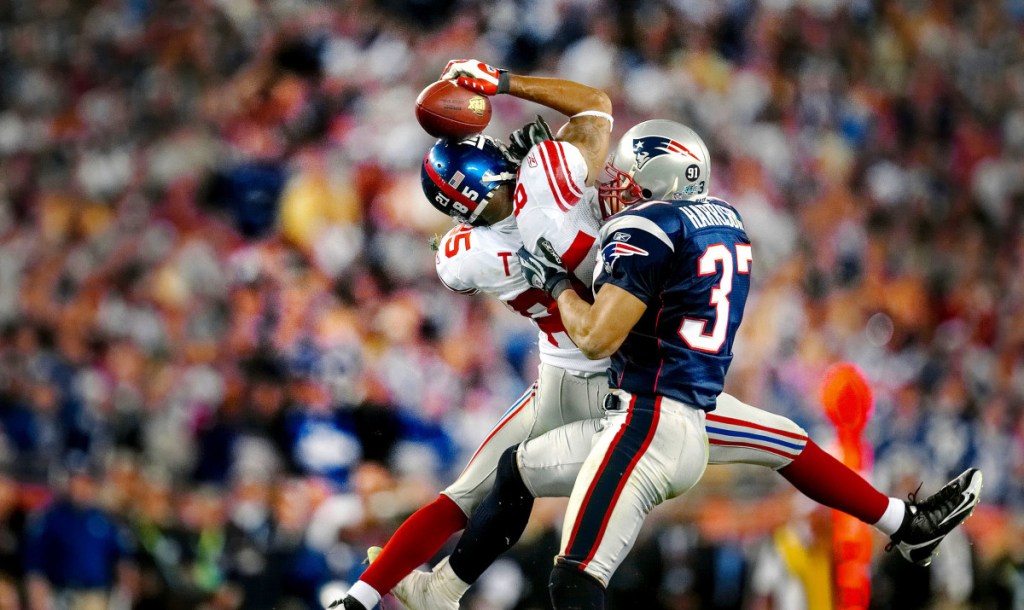
The helmet catch. This is one of the most famous plays in American sports history. In the Super Bowl, during a last-ditch effort to tie the game, an extremely improbable play happened. David Tyree used one hand to catch the ball by pinning it on his helmet. Even with defenders trying to rip the ball away, he still had the strength to secure the catch. You cannot even see Tyree’s left arm in the play. Not only that, this miraculous play was completed in the air. Tyree’s feet are completely off the ground. While describing the complexity of this catch through language could be effective, what is better to represent it than itself?
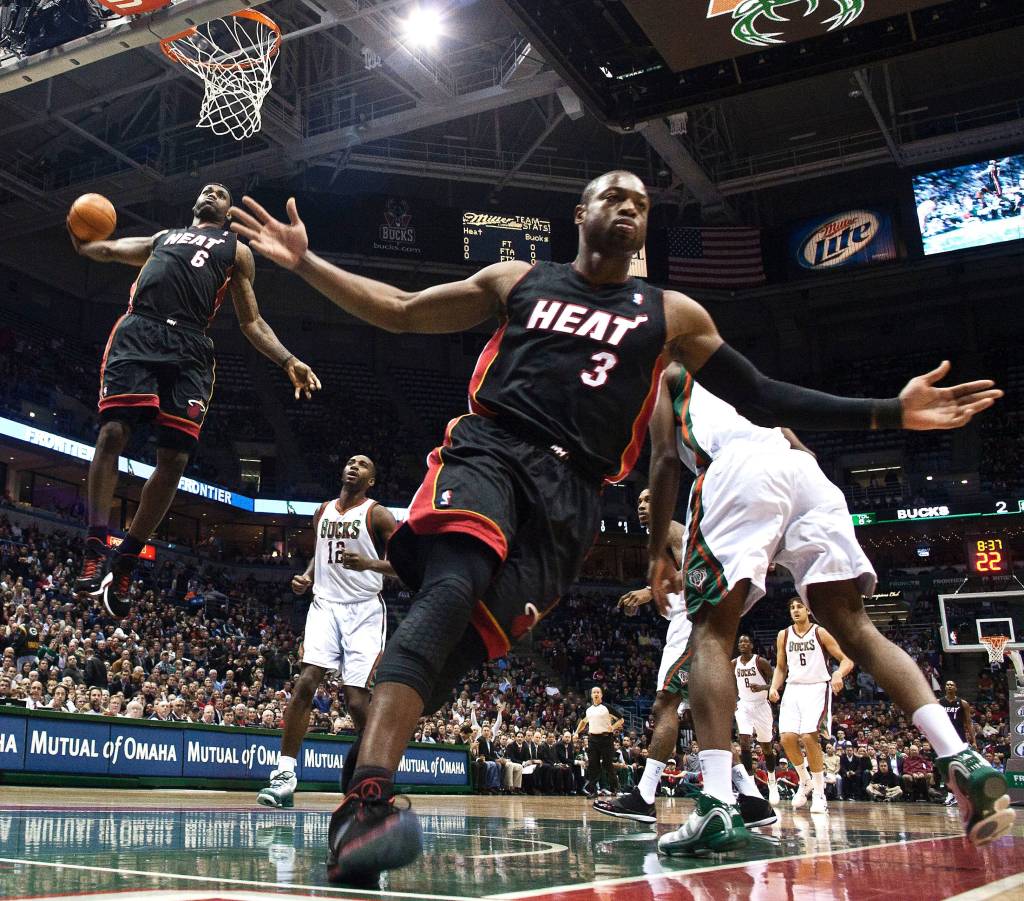
This is a depiction of ultimate teamwork and chemistry. What cannot be seen is that the player in front passed the ball behind him in the air for his teammate to grab it. What is seen in the picture is high levels of trust and confidence that the teammate will complete the play. Also, by raising his arms up to the side, the player communicates that he is aware mid-play that he is completing a miraculous play.

I wanted to include some photography of a primary source because it profoundly impacts storytelling. The experience of reading text that describes a historical event compared to directly seeing how it was described by those who were there to experience it is vastly different. There is a time and place for both when telling narratives, but the opportunity to include direct visual sources from history will strengthen the reader’s understanding of the story.
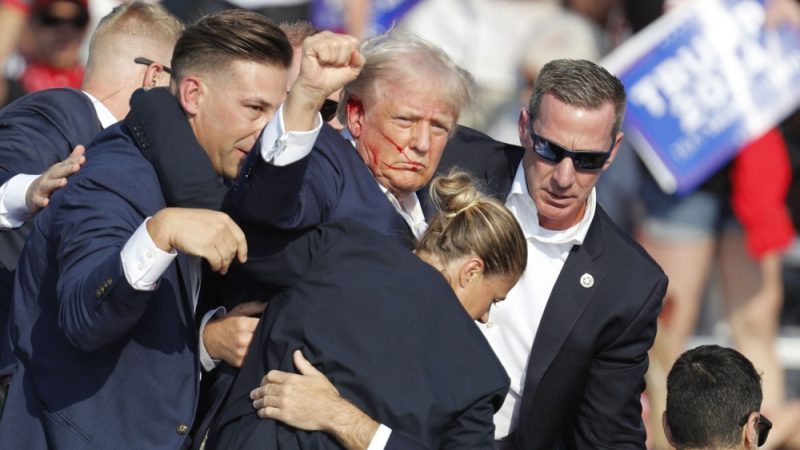
The last thing I want to do is to provide commentary on anything Trump…but that image will undoubtedly go down as one of the most incredible in American history. Yes, this image represents an attempted assassination of the President. However, that is not the significance of the image I am focussed on. I want to make an example of this image because it not only represents everything it directly depicts, but it is also representative of a period in American history. It captures the varying attitudes of a culture and country. This image doesn’t tell the story of one man, it tells the story of millions.
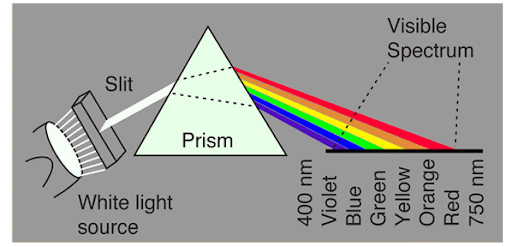
Using a diagram within narratives can be extremely helpful in communicating complex information or something that is challenging to visualize. Personally, without this visualization, understanding how a prism works would be hard for me. Simultaneously, this visualization on its own does not do the trick either. For example, without text describing how the light bends, I would not be able to comprehend that either. As a creator, identifying what information needs visualization and what needs description is an important skill.
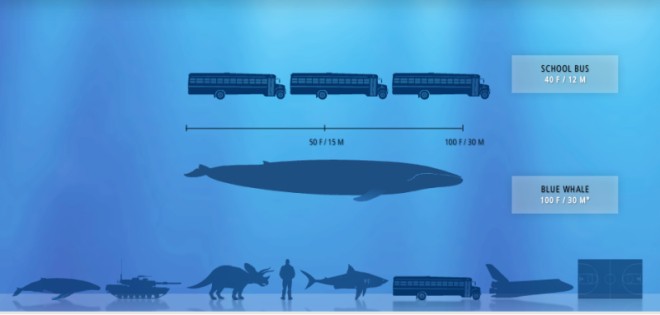
There are certain things that humans are innately challenged by when it comes to comprehension. Once things pass a certain threshold, using a scale to make the information more digestible is helpful. Particularly distance and size can be a challenge. By comparing objects that are common and easy to comprehend, a deeper understanding can be gained, and thus, the narrative will have a stronger impact on the reader.
 Getting to Know Stolen Focus