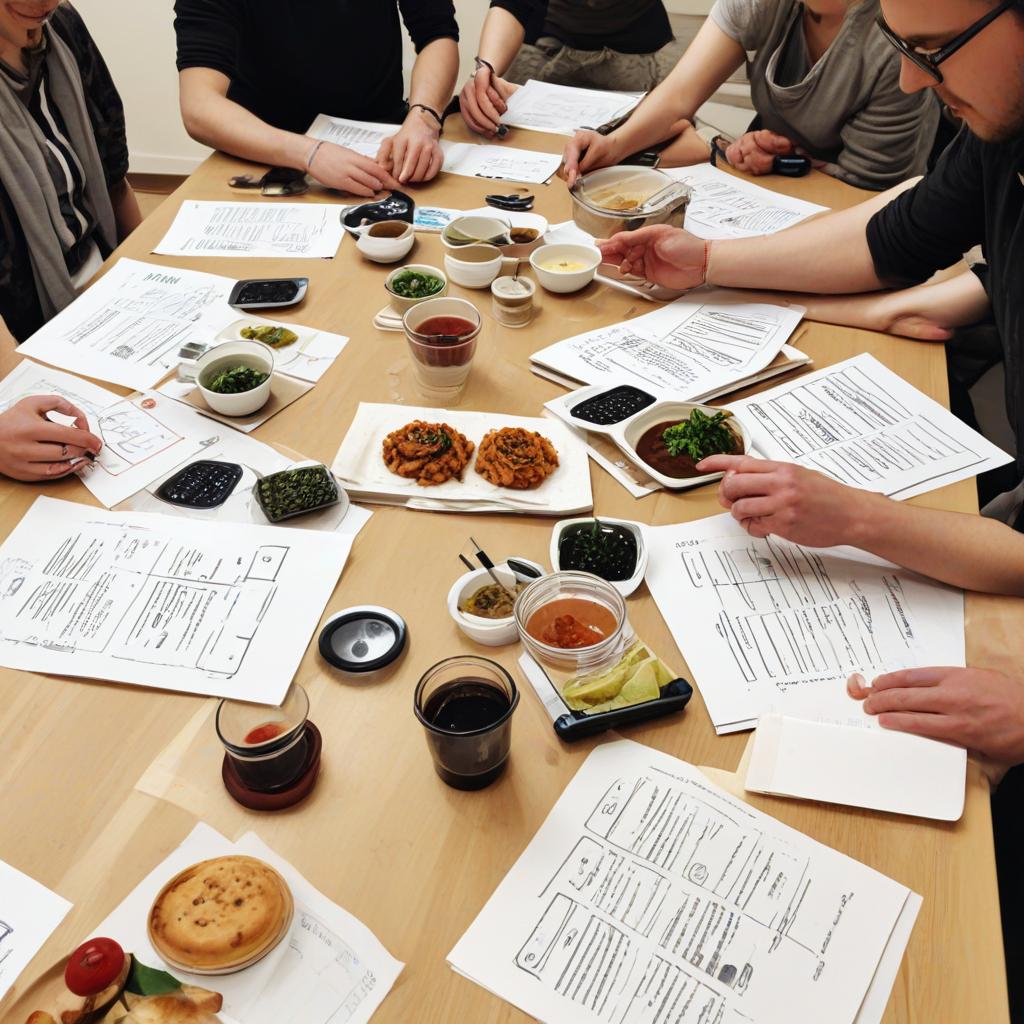
Preparation is the key to success for design sprints. The preparation is arguably the most important element of the sprint. In my opinion, the preparation for the sprint is what actually makes it a sprint. It’s a lot like cooking. If the design team is an ingredient, the preparation is how those ingredients will be used. You can prepare an egg 100 different ways which drastically changes the final product and you can facilitate a meeting in many more different ways than that. In other words, a sprint would a terrible option for a weekday dinner. Sprint experts have broken down nearly every ounce of preparation required to do a successful design sprint. It starts from two weeks out from the first day of the sprint, details each minute of the sprint days, and every step until a final product is reached.
The same way there is a time and place for an extravagant meal, there is a time and place for a design sprint. Author of Sprint, Jake Knapp, states that sprints are designed to, “solve problems quickly and be self-sufficient.” In cooking, something with this level of preparation can sometimes be intimidating because the ingredients are oftentimes expensive and you don’t know if all of the time, effort, and money will pay off. Knapp states on sprints that, “Best of all, the process relies on the people, knowledge, and tools that every team already has.” (23) I really can’t escape these food metaphors, but it’s like being forced to work with only what you already have in the kitchen and then finding out you have everything you need.
If we cook so we can eat then why do we sprint? We sprint to problem-solve. Simple and linear problems are not a reason to sprint. We sprint to solve complex problems and overcome great challenges. We sprint to solve problems that do not have clear solutions. Knapp writes, “with the right team in place, unexpected solutions will appear.” (42) I love the term unexpected solutions. I love it because it makes it clear that for a lot of the problems we aim to solve a singular perspective does not capture enough of an understanding for the solution to be clear. The solutions for sprints are unexpected because the problem-solving process involves a fusion of perspectives that have never been combined before. Only through high levels of detailed preparation can the fusion be seamless and effective in the short window of a time for a sprint. When the resources are used most effectively,
“The room itself becomes a sort of shared brain for the team.”
Jake knapp
 Getting to Know Stolen Focus